
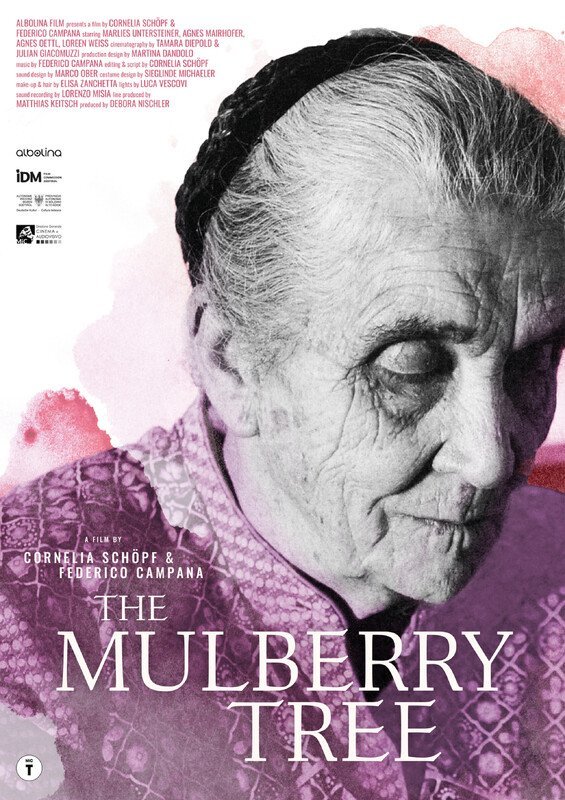
Director’s Statement
Is there a moral right to the possession of a certain place? The protagonists of the film feel as if a part of their being has been taken away from them, a place that rightfully belongs to them. For Anna, the farm is her grandmother’s house, the place that shaped her childhood, that is ingrained in her mind as a place of freedom and beauty. For her aunts and mother, it is the place where they grew up, the place to which even as adults they return as often as possible to lend a hand to their grandmother and uncle: making hay, baking bread, harvesting grapes and chestnuts. And on Sundays they play cards. This place is more than just a house, it is a place that brings together the memories of several generations and tells the story of the lifestyle of a bygone era, a pivot in the life of a farming family and a place that you don’t leave behind. The sale of the farm marks the end, yet it is a legitimate sale. Even though they are all aware of it and cannot change the situation, the feeling of an illegitimate loss remains, the feeling of a forced goodbye, even though sooner or later a goodbye would have happened anyway. Letting go of things that remind us of a person, an era, saying goodbye and going through the different stages of mourning are universal experiences that most people go through at least once in their lives.
Credits
| Director | Cornelia Schöpf |
| Director | Federico Campana |
| Writer | Cornelia Schöpf |
| Director of Photography | Tamara Diepold |
| Director of Photography | Julian Giacomuzzi |
| Producer | Debora Nischler |
| Key Cast | Marlies Untersteiner "Anna" |
| Film Editor | Cornelia Schöpf |
| Musiche | Federico Campana |
| Film Commission | IDM Film Funding |
| Production company | Albolina Film |
The Mulberry Tree was submitted to Pageant Film Festival through FilmFreeway in Season 17. Read the Pageant Magazine issue for the season or browse all festival results.